45 labels and selectors in kubernetes
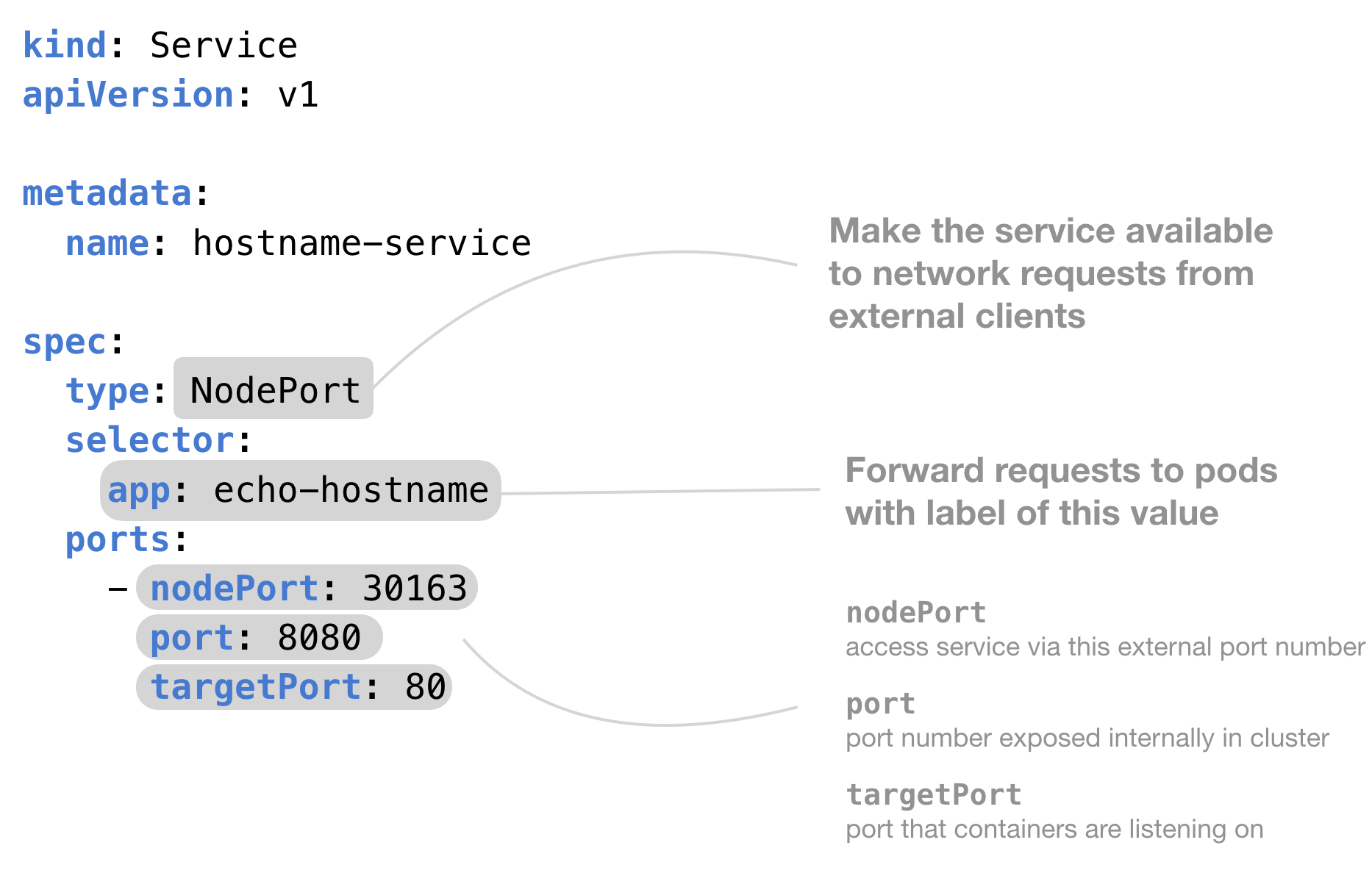
Nodeselector kubernetes - mye.fastenfreude.de NodePort Kubernetes service. The NodePort kubernetes service gives the possibility to espose, externally to cluster, a set of pods, that share the same labels, using a port in the range 30000-32767. This way to expose a service remembers the approach used by docker: the big difference is that in docker there is one-one mapping between the. Pod Lifecycle | Kubernetes Oct 05, 2022 · This page describes the lifecycle of a Pod. Pods follow a defined lifecycle, starting in the Pending phase, moving through Running if at least one of its primary containers starts OK, and then through either the Succeeded or Failed phases depending on whether any container in the Pod terminated in failure. Whilst a Pod is running, the kubelet is able to restart containers to handle some kind ...
Using Kubernetes Annotations, Labels, and Selectors - How-To Geek Annotations, labels, and selectors are used to manage metadata attached to your Kubernetes objects. Annotations and labels define the data while selectors provide a way to query it. Here are the differences between the three concepts, what they're designed for, and how you can use them to manage your resources. Annotations

Labels and selectors in kubernetes
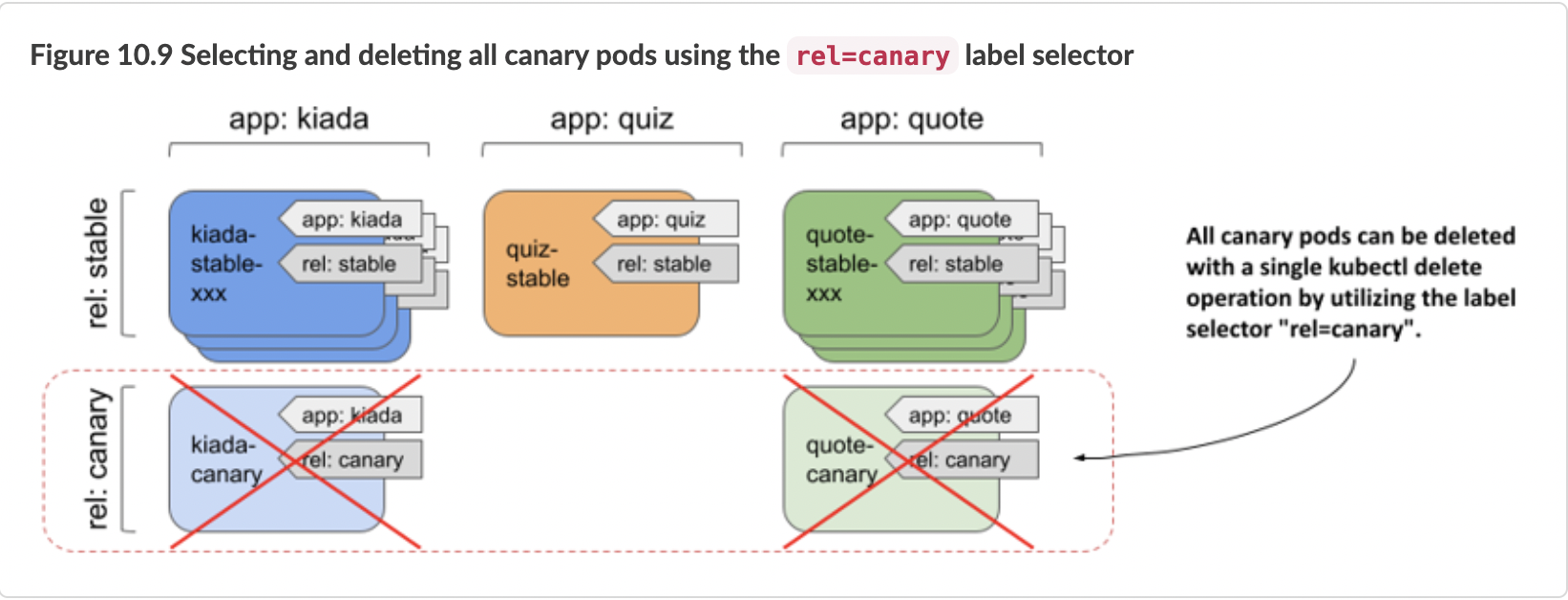
10.3 Filtering objects with label selectors - GitHub Pages 10.3.2 Utilizing label selectors within Kubernetes API objects. You've learned how to use labels and selectors with kubectl to organize your objects and filter them, but selectors are also used within Kubernetes API objects. For example, you can specify a node selector in each Pod object to specify which nodes the pod can be scheduled to. Kubernetes Labels & Selectors - Kubernetes - Wisdom Jobs Selectors. Labels do not offer individuality. In overall, we can say numerous objects can carry the same labels. Labels selector are core grouping primitive in Kubernetes. They are used by the users to choose a set of objects. Kubernetes API currently supports two type of selectors −. Equality-based selectors; Set-based selectors; Equality ... Kubernetes labels, selectors & annotations with examples Labels give us another level of categorization, which becomes very helpful in terms of everyday operations and management. Labels are attached to Kubernetes objects and are simple key: value pairs. You will see them on pods, replication controllers, replica sets, services, and so on.
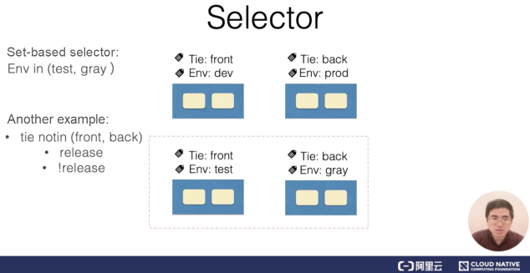
Labels and selectors in kubernetes. Kubernetes, Labels and Selectors - Automated Ramblings The replica controller could only find 3 pods running using the matchLabel selector after we changing the run label on pod web-internal-6b444b6dd9-kd8w2 and deployed another pod to remediate the issue. Labels and selectors have many additional uses to the one covered in this post; they are a core part of the Kubernetes platform. Understanding Labels, Selectors and Annotations in Kubernetes Likewise in Kubernetes look at labels as wristbands. Labels will help you put a "tag" to a Kubernetes resource such as deployment or pod to help you manage and identify the resource better. You would then use Selectors to perform certain activities on resources with a particular label. Labels and Selectors — Kubernetes on AWS 0.1 documentation Labels and Selectors ¶ Labels are key/value pairs that are attached to Kubernetes objects, such as pods (this is usually done indirectly via deployments). Labels are intended to be used to specify identifying attributes of objects that are meaningful and relevant to users. Labels can be used to organize and to select subsets of objects. Kubernetes Labels, Selectors, and Annotations - vpundit.com Label selectors, as the name implies, allow you to identify objects that have been labelled with specific labels. In Kubernetes, the label selector is the fundamental grouping primitive. Label selectors can either be equality-based or set-based
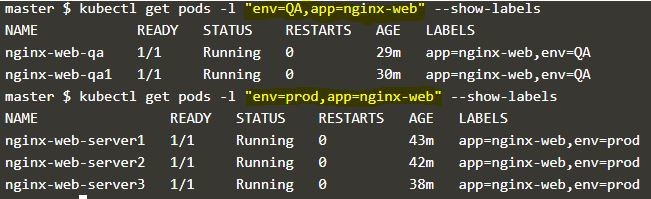
Labels and Selectors in Kubernetes - howtoforge.com Labels can be attached to objects at creation time and can be modified at any time. We can add multiple Labels to Kubernetes objects. Selectors are used by the users to select a set of objects. The label selector is the core grouping primitive in Kubernetes. Kubernetes API supports two types of selectors Kubernetes Selector | How does Selector Works in Kubernetes? - EDUCBA Label Selector. We apply labels to the Kubernetes objects to organize or select a group of objects. Labels can be attached at creation time or added and modified at any time. Labels are case sensitive. We can use Label Selector using the option '-l'. Let's create three pods with labels "env: prod" and "app: nginx-web" and two pods ... Kubernetes Label Selector And Field Selector - Medium Before we talk about field selector in Kubernetes, let us walk through quickly about labels. Labels are key value pairs that can be used to identify, or group the resources in Kubernetes. In other... How to Provision Node Labels and Selectors in Kubernetes? (K8s) Labels selectors are core grouping primitive in Kubernetes. They are used by the users to select a set of objects. Kubernetes API currently supports two types of selectors − Equality-based...
Labels and Selectors | Kubernetes Aug 09, 2022 · Labels are key/value pairs that are attached to objects, such as pods. Labels are intended to be used to specify identifying attributes of objects that are meaningful and relevant to users, but do not directly imply semantics to the core system. Labels can be used to organize and to select subsets of objects. Labels can be attached to objects at creation time and subsequently added and ... Kubernetes Matchlabels - Linux Hint Within Kubernetes, labels are a key/value formatted piece of metadata linked to an object. Additional information about the thing relevant to the consumer or object is provided via labels. ... The selector tag can be seen here, which deployment utilises to communicate with its pods. The Deployment's selector field specifies how it determines ... Assigning Pods to Nodes | Kubernetes Jul 17, 2022 · Pods are namespaced objects in Kubernetes, so Pod labels also implicitly have namespaces. Any label selectors for Pod labels should specify the namespaces in which Kubernetes should look for those labels. You express the topology domain (X) using a topologyKey, which is the key for the node label that the system uses to denote the domain. Kubernetes Core Concepts - Labels, Selectors and Annotations Labels selectors for Kubernetes objects will be defined in json or yaml files using maps, and only equality-based requirement selectors are supported. matchExpressions Selector matchExpressions label selector is more expressive in nature.
Kubernetes node label management · Banzai Cloud
Civo Academy - Learn about pod labels and selectors - Civo.com In this video, we'll be discussing labels and selectors. Now, labels in Kubernetes are a set of key-value pairs attached to a Kubernetes object such as pods. It is basically used to provide attributes to create a meaningful Kubernetes object. So, the command to view the labels is kubectl get pods --show-labels. Labeling a pod
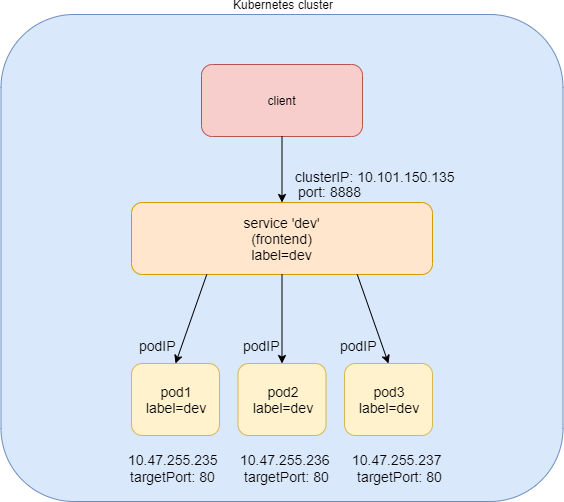
Kubernetes in Practice - TechLibrary - Juniper Networks
Kubernetes - Labels & Selectors - tutorialspoint.com Labels selector are core grouping primitive in Kubernetes. They are used by the users to select a set of objects. Kubernetes API currently supports two type of selectors − Equality-based selectors Set-based selectors Equality-based Selectors They allow filtering by key and value. Matching objects should satisfy all the specified labels.
Kubernetes Selector | How does Selector Works in Kubernetes?
Kubernetes Labels, Selectors, and Annotations | Getting Started - ContainIQ Labels are a type of metadata in Kubernetes that take on the form of a key-value pair attached to objects such as pods and services. Labels are often used to describe identifying aspects of the object, possibly for use by the user at a later stage. However, like other metadata, labels do not directly change any functionality as they imply no semantics to Kubernetes by default.

Kubernetes hands on series: Labels and Selectors | by Rakesh ...
Kubernetes: Usage and Understanding of Kubernetes Labels ... - Medium The main reason for Creating Labels is like an identifier. if we add a label to the pod, then other Kubernetes objects (Ex: Service, DaemonSet) can communicate with the pod by only mentioning the pod's label under Selector. Labels are key/value pairs that are attached to objects, such as pods.

Spotinst Kubernetes Controller Now Supports Custom Labels ...
Working with labels and selectors | Kubernetes Cookbook - Second Edition Setting up the Kubernetes cluster on Linux via Ansible (kubespray) Running your first container in Kubernetes; 3. Walking through Kubernetes Concepts. ... Label selectors are used to query objects with labels of the following types: Equality-based: Use equal (= or ==) or not-equal (!=) operators; Set-based:

Kubernetes - Labels & Selectors
Configuration | Prometheus Prometheus is configured via command-line flags and a configuration file. While the command-line flags configure immutable system parameters (such as storage locations, amount of data to keep on disk and in memory, etc.), the configuration file defines everything related to scraping jobs and their instances, as well as which rule files to load.

Kubernetes Labels, Selectors, and Annotations | Getting Started
Kubernetes Labels 和 Selectors _ Kubernetes(K8S)中文文档 ... Labels选择器. 与Name和UID 不同,标签不需要有唯一性。一般来说,我们期望许多对象具有相同的标签。 通过标签选择器(Labels Selectors),客户端/用户 能方便辨识出一组对象。标签选择器是kubernetes中核心的组成部分。

13 - Kubernetes Labels & Selectors | Equality vs Set based | matchLabels vs matchExpressions
Labels - Unofficial Kubernetes - Read the Docs The kubernetes.io/ prefix is reserved for Kubernetes core components. Valid label values must be 63 characters or less and must be empty or begin and end with an alphanumeric character ... Labels selectors for both objects are defined in json or yaml files using maps, and only equality-based requirement selectors are supported: "selector ...

Labels and Node Selectors. In this article, we will learn ...
A Kubernetes Guide for Labels and Selectors | Datree.io Labels can be used by both Kubernetes and homo-sapiens to organize and to select subsets of objects. When dealing with Kubernetes config files, labels are always added under the "metadata" section of the manifest. Labels vs annotations Annotations are also key-value pairs that are attached to objects and are used to describe Kubernetes resources.
K8s Labels & Selectors. In this post, we will look at | by ...
Labels and Selectors - Kubernetes The label selector is the core grouping primitive in Kubernetes. The API currently supports two types of selectors: equality-basedand set-based. A label selector can be made of multiple requirementswhich are comma-separated. In the case of multiple requirements, all must be satisfied so the comma separator acts as a logical AND(&&) operator.
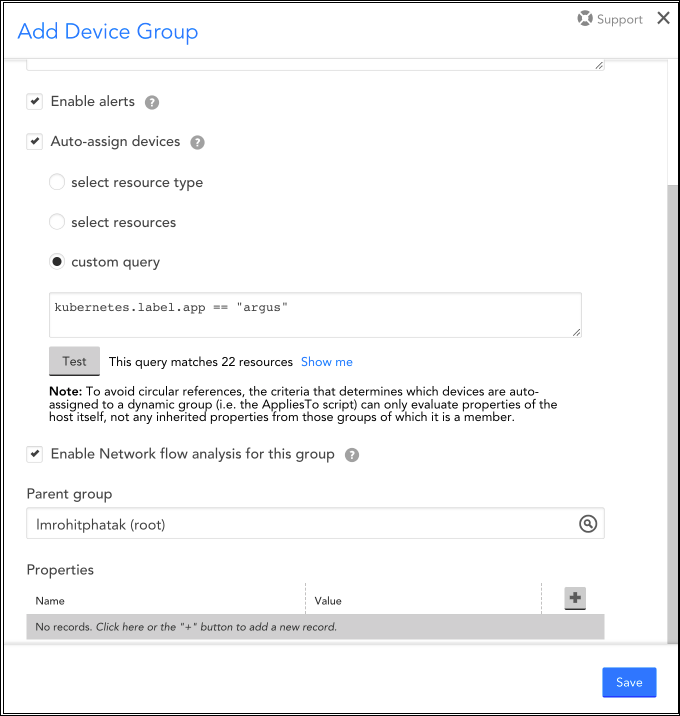
Filtering Kubernetes Resources using Labels, Annotations, and ...
Learn Kubernetes Labels By Following Examples | Densify Using labels and selectors is also common in advanced Kubernetes scheduling. Examples of advanced K8s scheduling include node selector and pod affinity. If you need to place a pod on a specific node, you can label the node and then use the label in your pod deployment manifest. For example, you can use this command to label a node with SSD storage.
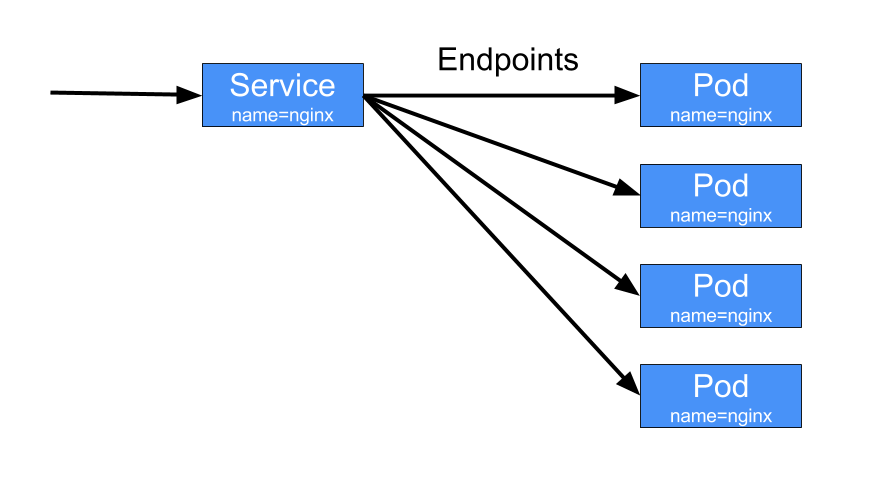
Performing Maintenance on Pods - Ian Lewis
What is Kubernetes Labels? | Examples with Methods - EDUCBA Web Applications Kubernetes labels & Example. In this section, we will have closer look at the web application-specific labels which will also include the example to understand it better, so let's get started see below; 1) app.kubernetes.io/version: this label is used to represent the version of the application we can say current version. 2 ...

devops - What is the difference between Label and Selector in ...
Node Selectors in Kubernetes. nodeSelector is the simplest ... Jan 15, 2022 · To achieve this goal, Kubernetes provides 2 methods: NodeSelector; Node Affinity; Let’s Discuss NodeSelector: nodeSelector is the simplest form of node selection. It is a field PodSpec and specifies a map of key-value pairs. For the Pod to be eligible to run on a node, the node must have the key-value pairs as labels attached to them.

Civo Academy - Learn about pod labels and selectors - Civo.com
What is the difference between Label and Selector in kubernetes? Via a label selector, the client/user can identify a set of objects. The label selector is the core grouping primitive in Kubernetes. In a nutshell label selectors depend on labels to select a group of resources such as pods. For example a deployment selects a group of pods by a label selector in the deployment spec. Share Improve this answer
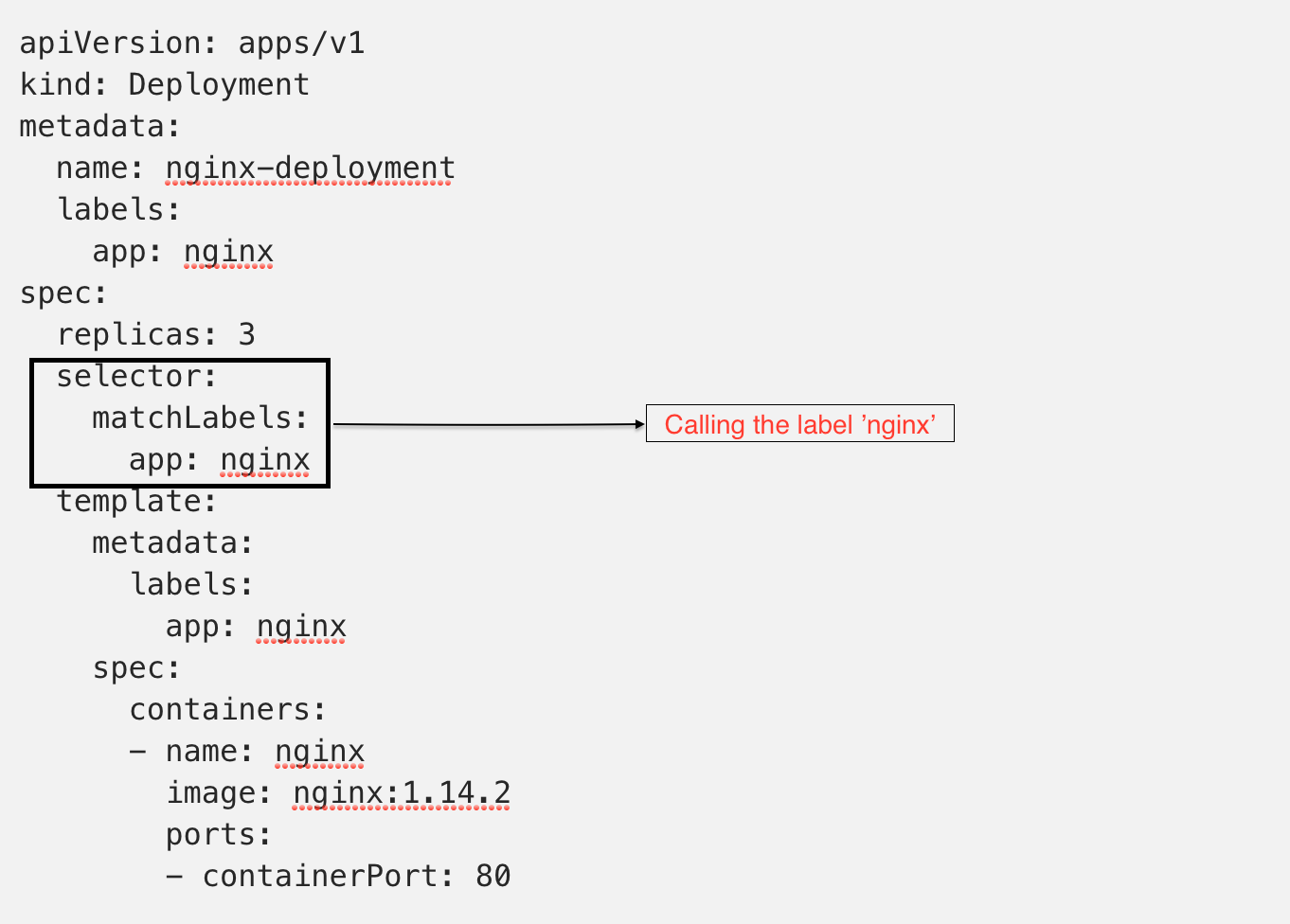
Labels and Node Selectors. In this article, we will learn ...
Field Selectors | Kubernetes May 26, 2021 · Field selectors let you select Kubernetes resources based on the value of one or more resource fields. Here are some examples of field selector queries: metadata.name=my-service metadata.namespace!=default status.phase=Pending This kubectl command selects all Pods for which the value of the status.phase field is Running: kubectl get pods --field-selector status.phase=Running Note: Field ...

Kubernetes Core Concepts - Labels, Selectors and Annotations
The Purpose of Labels and Selectors in Kubernetes kubernetes The Purpose of Labels and Selectors in Kubernetes Logically isolate and group objects inside of Kubernetes with loose coupling. Justin VanWinkle Jan 15, 2021 • 1 min read In short, labels are a way to group and reference an object. For instance, you could group all APIs with a label like type: api.

CKA Labs (14): Kubernetes Affinity and Anti-Affinity -
Kubernetes labels, selectors & annotations with examples Labels give us another level of categorization, which becomes very helpful in terms of everyday operations and management. Labels are attached to Kubernetes objects and are simple key: value pairs. You will see them on pods, replication controllers, replica sets, services, and so on.
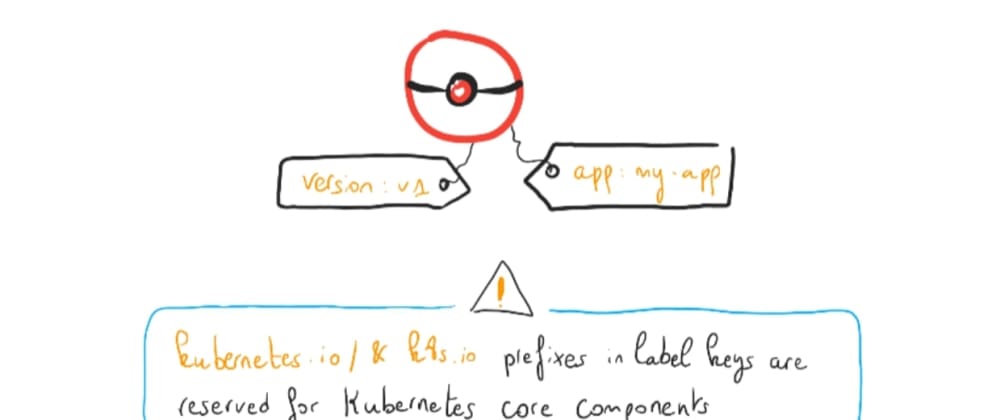
Understanding Kubernetes: part 35 – Labels & Selectors - DEV ...
Kubernetes Labels & Selectors - Kubernetes - Wisdom Jobs Selectors. Labels do not offer individuality. In overall, we can say numerous objects can carry the same labels. Labels selector are core grouping primitive in Kubernetes. They are used by the users to choose a set of objects. Kubernetes API currently supports two type of selectors −. Equality-based selectors; Set-based selectors; Equality ...
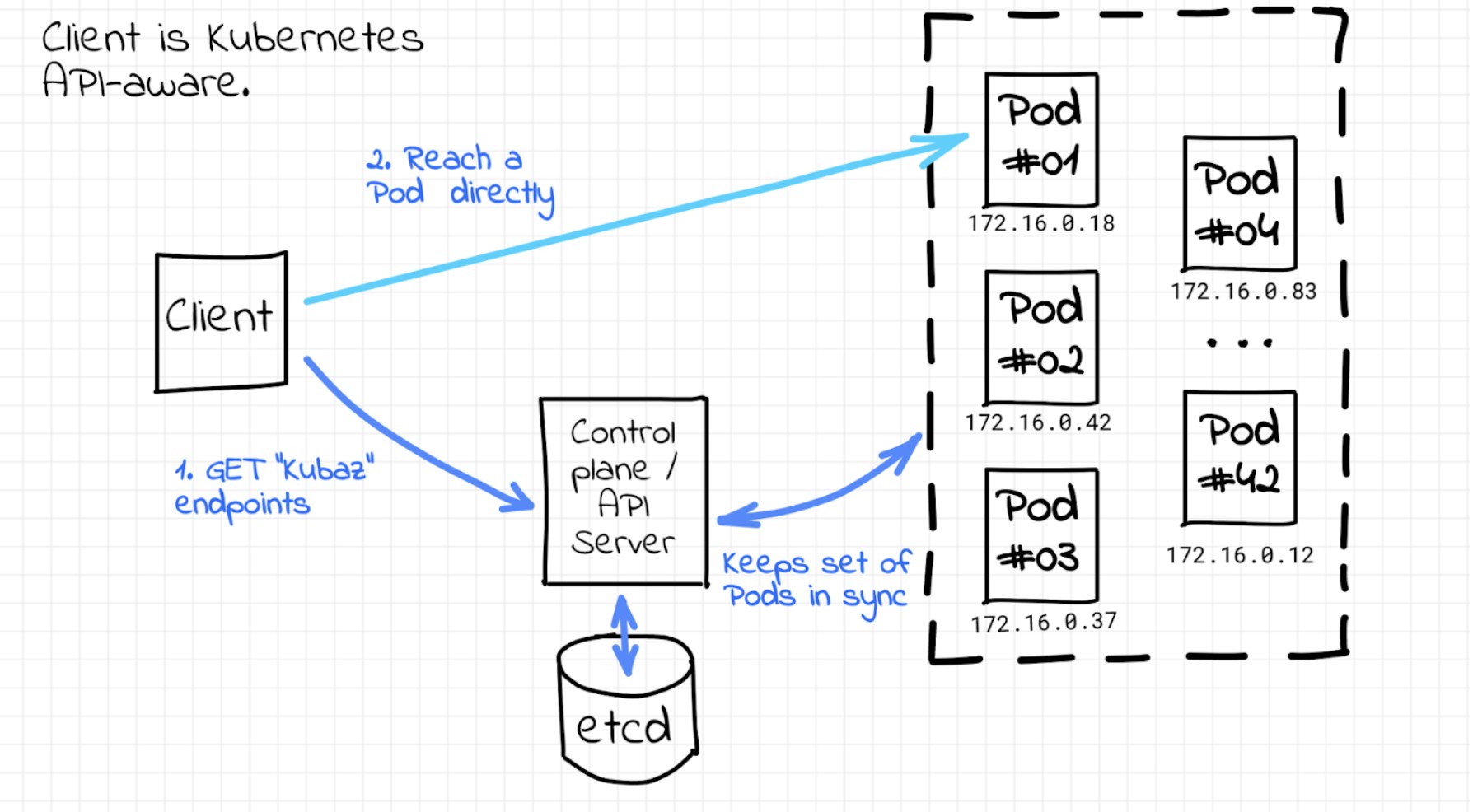
Kubernetes Service Discovery - Learn By Example | Densify
10.3 Filtering objects with label selectors - GitHub Pages 10.3.2 Utilizing label selectors within Kubernetes API objects. You've learned how to use labels and selectors with kubectl to organize your objects and filter them, but selectors are also used within Kubernetes API objects. For example, you can specify a node selector in each Pod object to specify which nodes the pod can be scheduled to.

How To Use Kubernetes Labels and Selectors - DevOps Titan

Assigning Pods to Nodes | Kubernetes
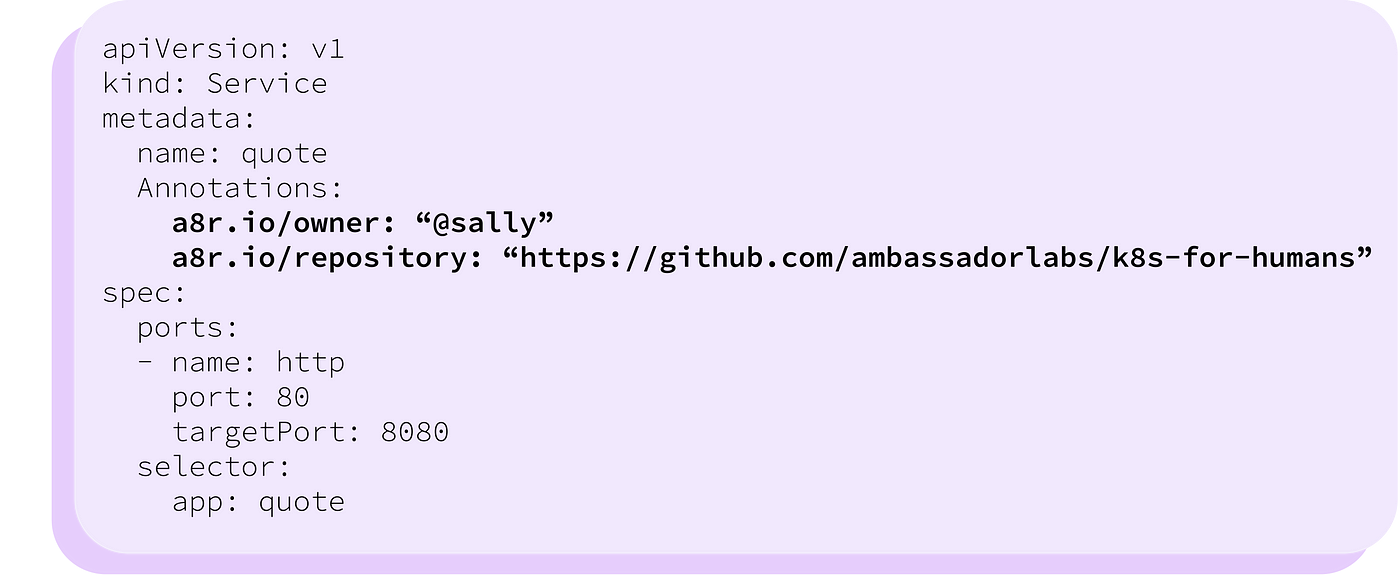
Kubernetes Annotations and Labels: What's the Difference ...
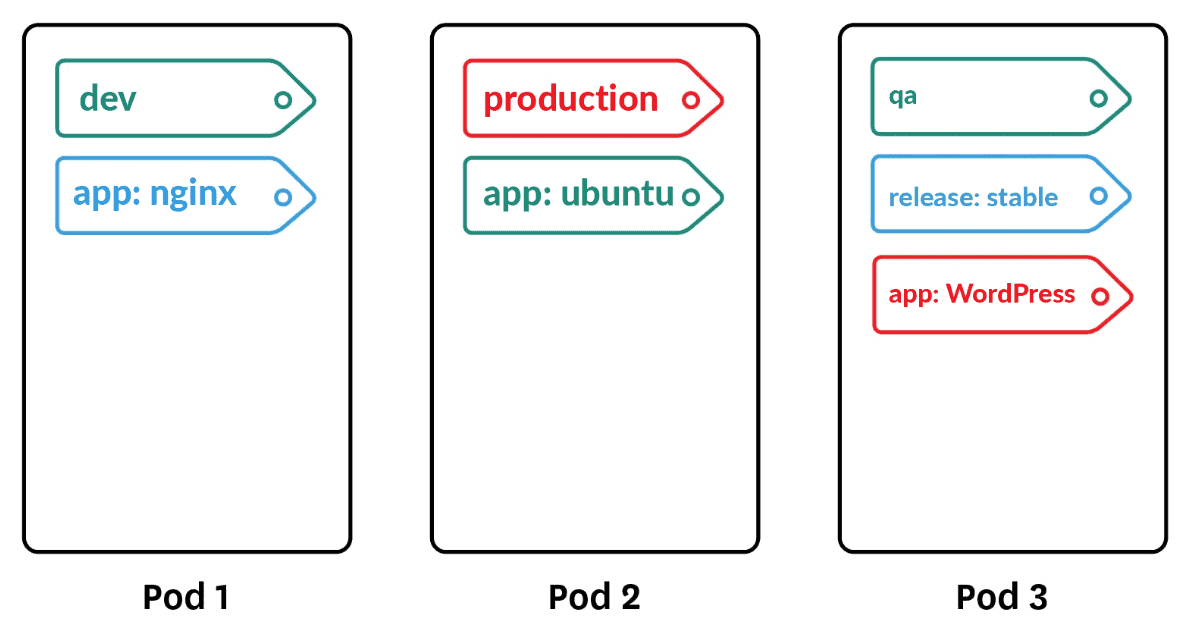
Kubernetes Labels | Labels And Annotations In Kubernetes

Kubernetes Design Principles Part 1
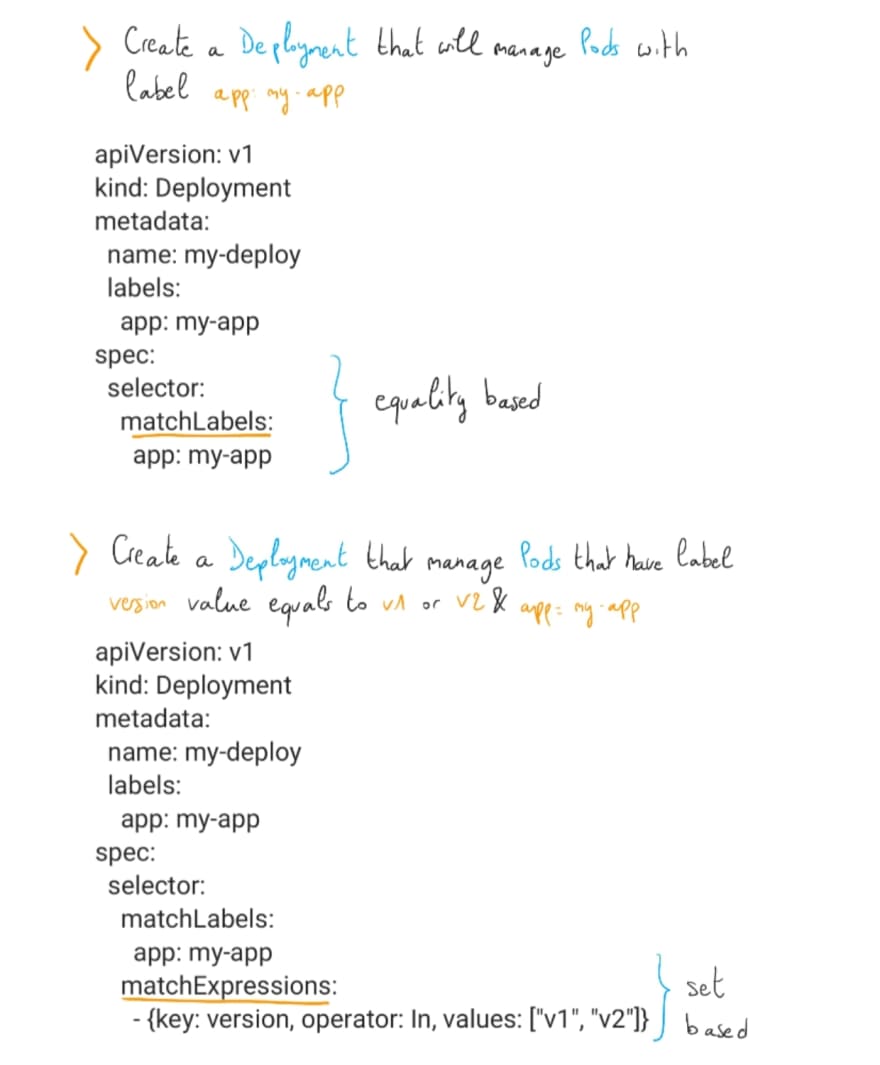
Understanding Kubernetes: part 35 – Labels & Selectors - DEV ...
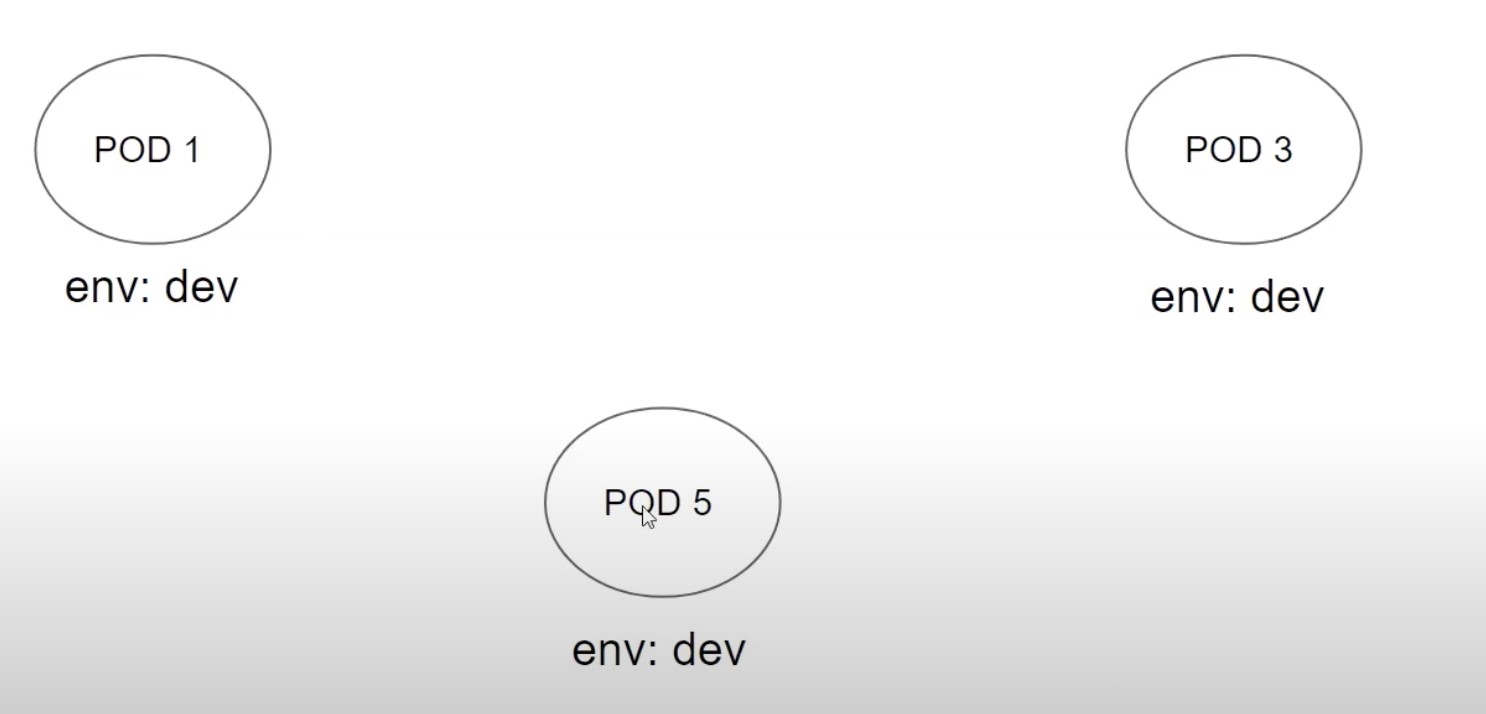
Learn Kubernetes Labels By Following Examples | Densify
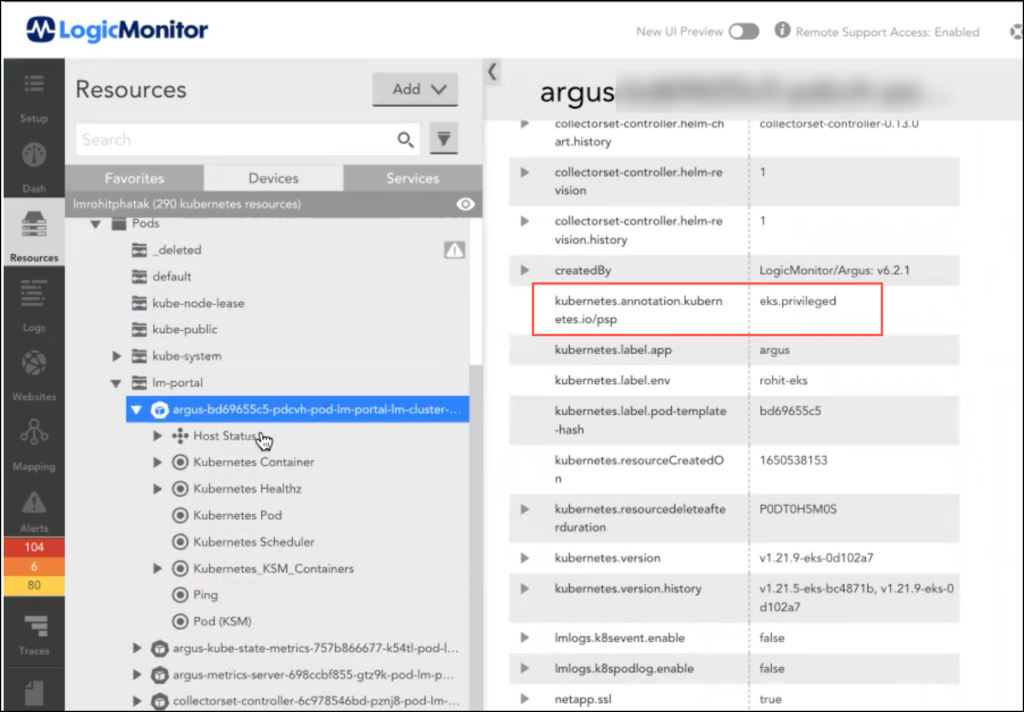
Filtering Kubernetes Resources using Labels, Annotations, and ...
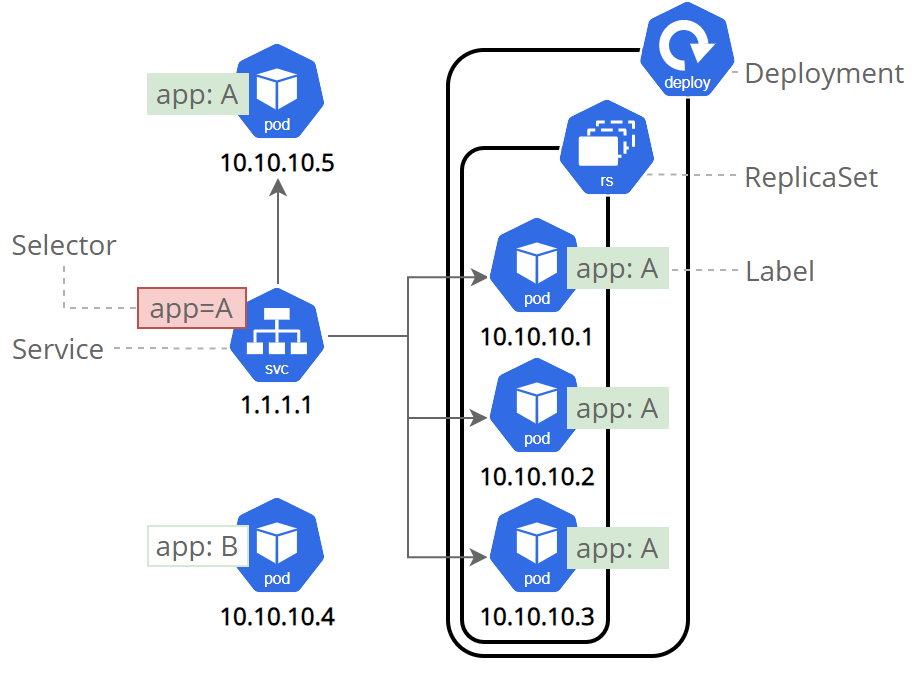
Using a Service to Expose Your App | Kubernetes
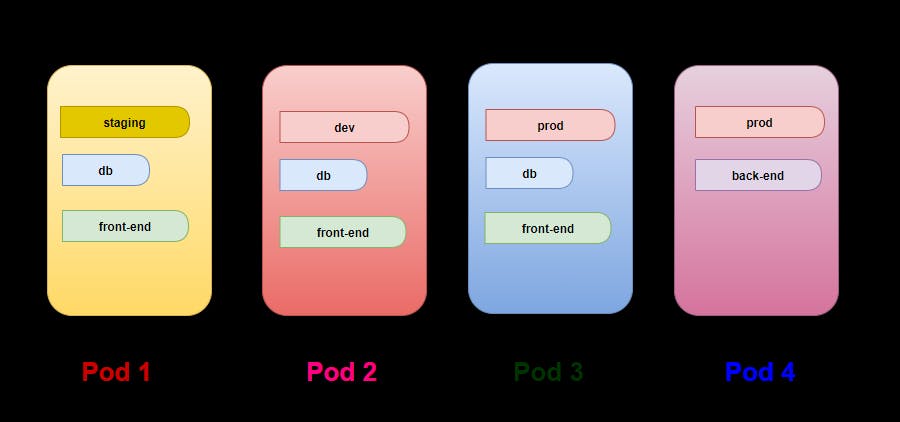
Kubernetes Core Concepts - Labels, Selectors and Annotations
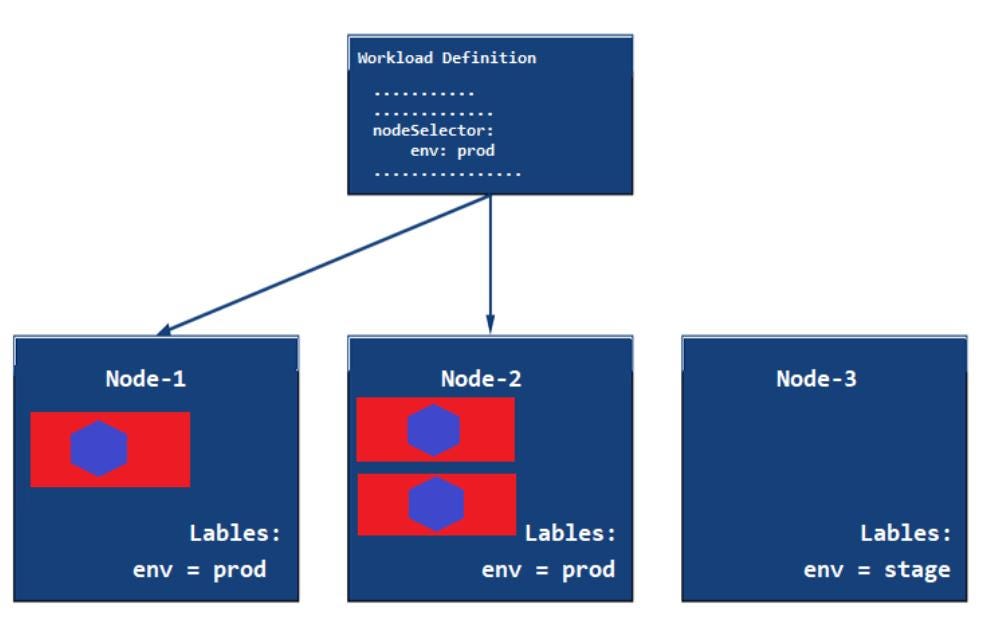
How to Provision Node Labels and Selectors in Kubernetes ...
Kubernetes Selector

Labels and Selectors in Kubernetes | Kubernetes Tutorial | In ...
Getting Started with Kubernetes | Application Orchestration ...

Using Kubernetes Annotations, Labels, and Selectors

label in kubernetes
Service - Kubernetes Guide with Examples
.jpeg)
A Kubernetes Guide for Labels and Selectors | Datree.io
Kubernetes Selector | How does Selector Works in Kubernetes?
10.3 Filtering objects with label selectors.md · Kubernetes ...
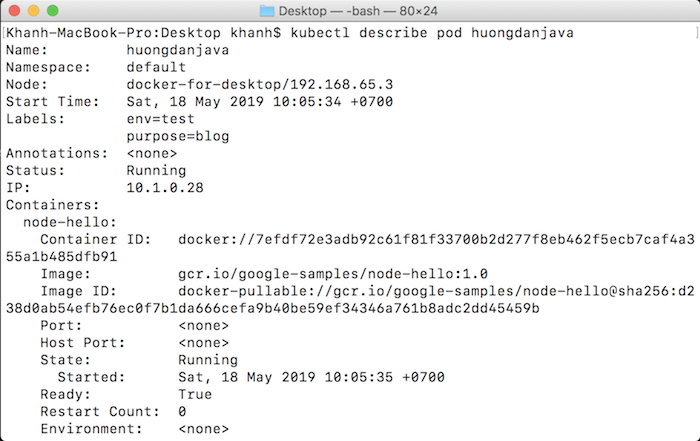
Learn about Label and Selector in Kubernetes - Huong Dan Java

KodeKloud - Certified #Kubernetes Application Developer ...
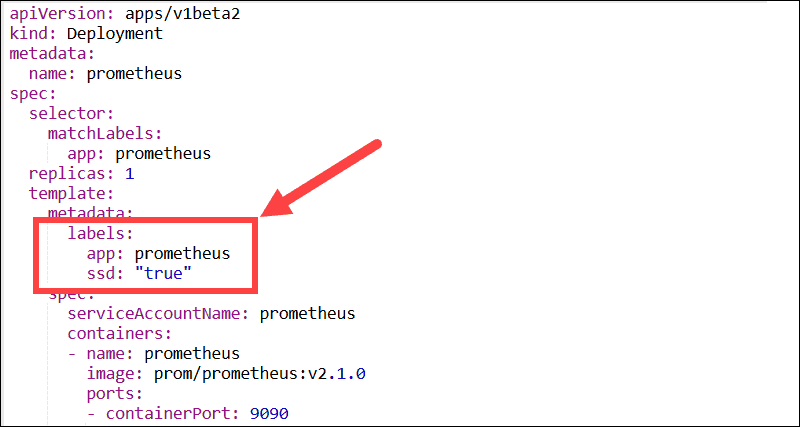
19 Kubernetes Best Practices for Efficient Clusters | PhoenixNAP

Kubernetes - Services and Labels - The IT Hollow

Kubernetes Tutorial 10 | Labels
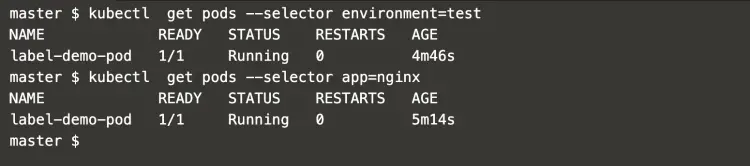
Labels and Selectors in Kubernetes - Cộng Đồng Linux
Post a Comment for "45 labels and selectors in kubernetes"